



There has always been this quiet assumption that one day, after all these years away, I would return and do something meaningful for the people and the place I was born. I have often asked myself whether giving back should just be about money, or whether it could be something else.
Many in the diaspora send remittances home regularly, keeping households afloat, economies stronger, children in school and, in many countries, surpassing foreign aid. The list is endless and it shows that money matters enormously. But could giving back also be something less tangible, something shaped by distance and sharpened by experience that cannot be wired home through a bank transfer?
Leaving Uganda and building a career across continents taught me things I could not have learned any other way. With over three decades working with criminal justice officials in more than twenty countries, I learned how power operates inside government institutions, the unwritten rules of international organisations, how decisions really get made, how leadership is expressed differently across cultures, how to navigate spaces where African women were routinely underrepresented, and how to hold your ground with confidence in rooms where you are the only African woman at the table.
I learned to translate ideas into action across languages, legal systems and political contexts. These were not lessons from a classroom. They were earned across four continents, navigating volatile political and economic environments, leading diverse teams and managing multi-million-pound budgets. Those lessons cannot be packaged and sent home. The experience lives in the body and has been tested under pressure. The question I eventually had to sit with was what to do with all of this. I could have kept the knowledge and experience to myself, and many in the diaspora do. Instead, I chose to make it useful to someone else.
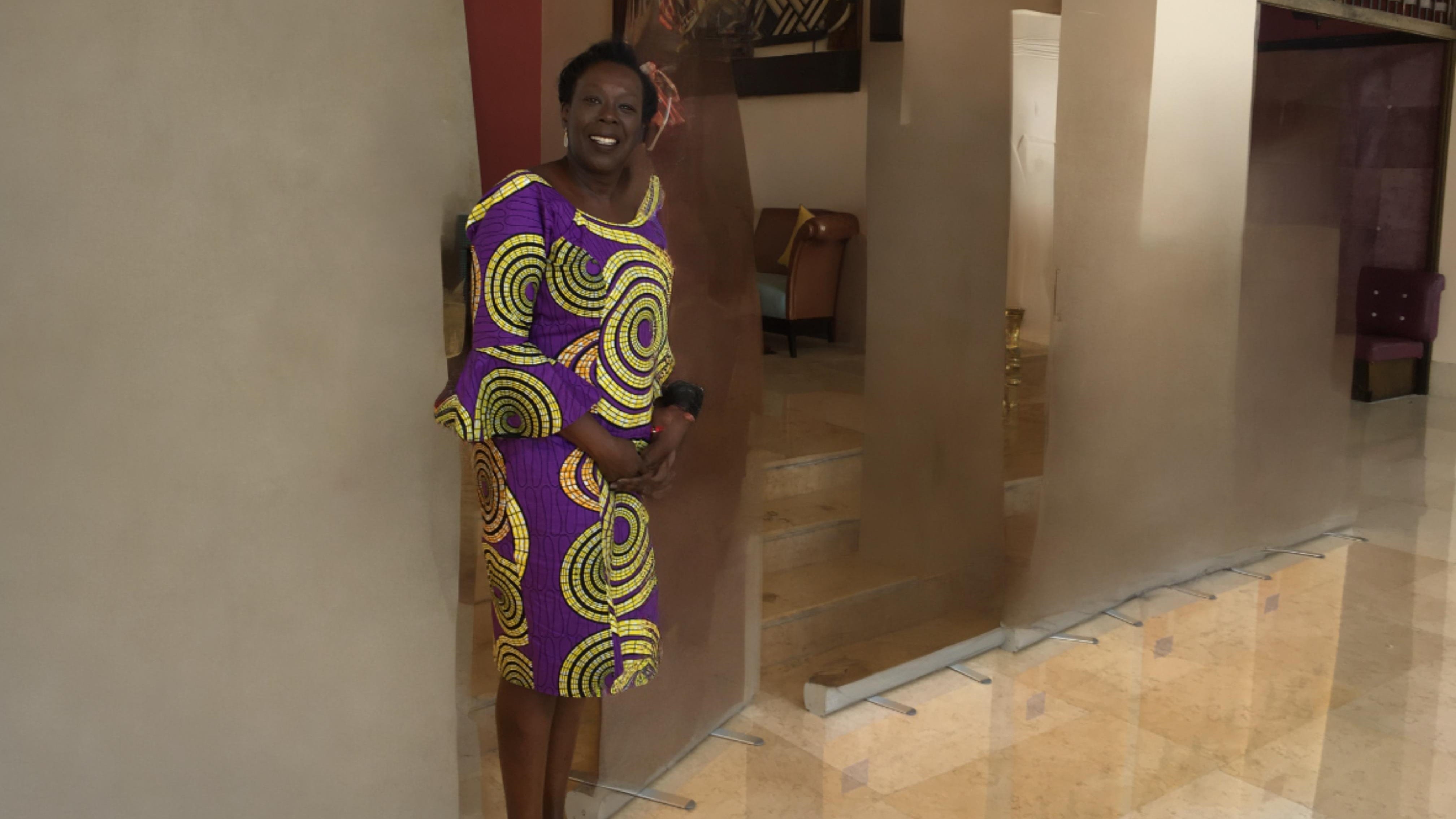
Now retired from direct institutional work, that choice is at the heart of my work with emerging leaders, mostly young women from Africa and in the diaspora. What I give back is perspective forged inside systems of power, policy and governance across continents. I help young women understand how to position themselves in global spaces, how to carry authority without apology, and how to lead with both confidence and integrity. I help them read the room in contexts not designed for them, and navigate multicultural environments without losing themselves.
This is what we underestimate when we talk about giving back. The conversation gravitates almost entirely toward money, and I do not dismiss the importance of that. However, lived experience should be seen as a form of capital too. It carries insight, judgement and perspective that cannot be acquired any other way. When shared with intention, it becomes something others can use to shape their own path in leadership and public life. That is a transfer of something generational.
For me, giving back is also about building a bridge between my layered identities: from where I was born, where I have been, where I am now, and where me and others are trying to go. It is about offering a way of seeing, thinking and practising leadership that is grounded, globally aware and rooted in responsibility to shape generations.
The remittance is real and it matters. So is this.
The diaspora carries something that cannot be quantified. If we are serious about what giving back means, we must make room for both - the remittances and the capital of lived experience.