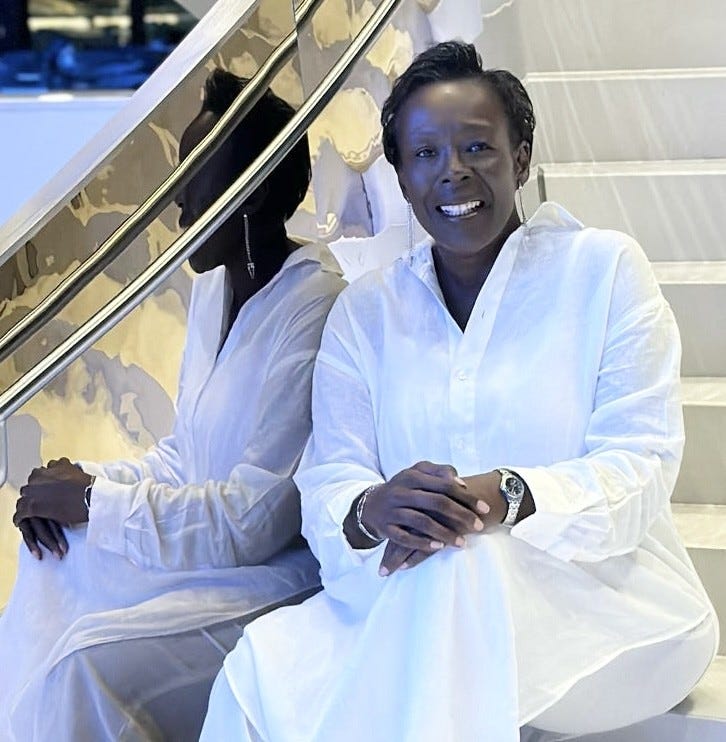
After decades of working across countries, institutions and cultures, I began to notice how quietly international life changes a person. You rarely notice it happening. You only notice, one day, that it has happened. It displaces you internally, creating a quiet tension between loss and belonging.
We often speak about international life through its visible outcomes. Careers built. Opportunities gained. Lives remade across borders. But ageing in the diaspora reveals something less visible and far more internal. It forces you to confront what migration has gradually edited out of you and what, despite everything, has remained.
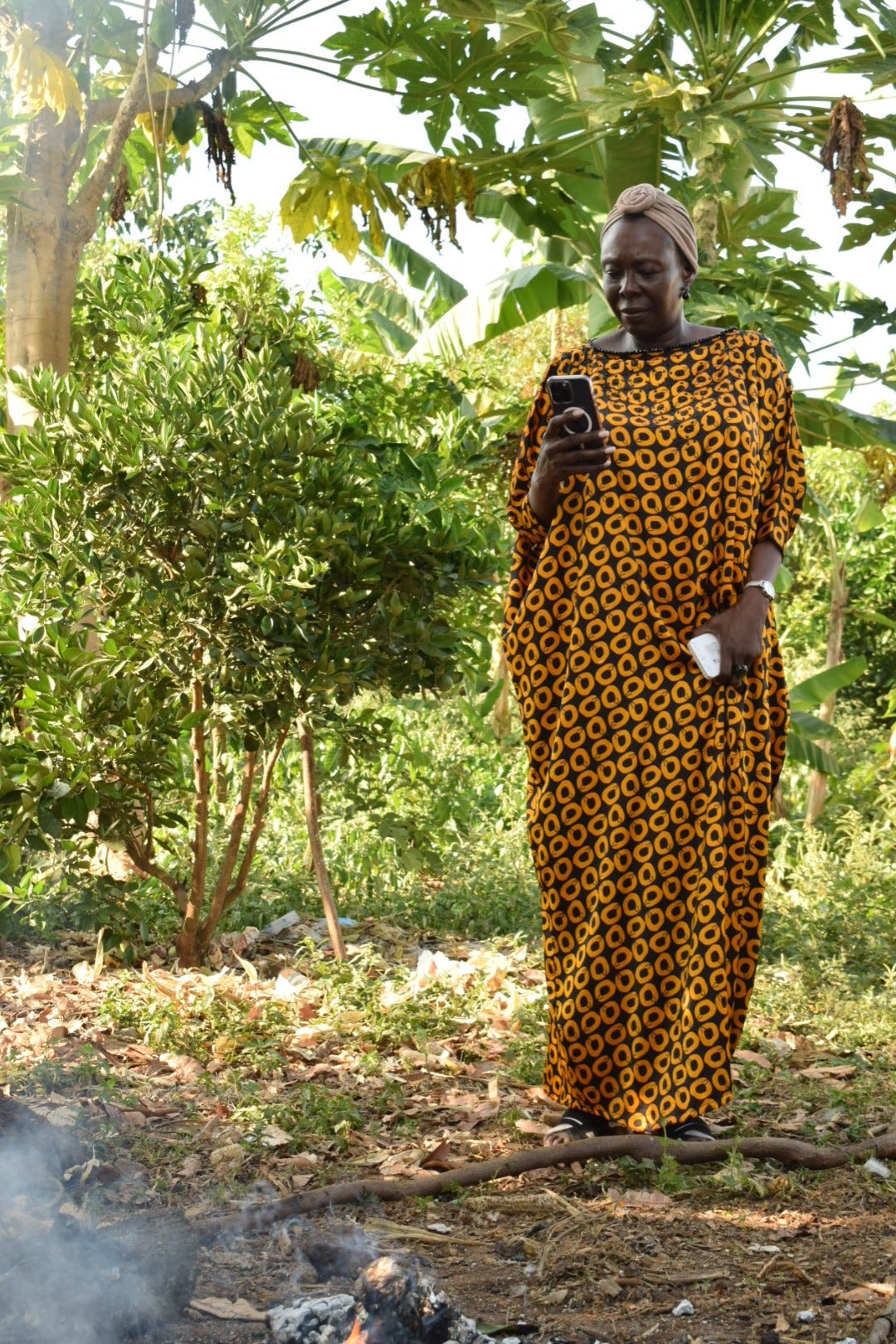
Yet even after years of adaptation as one from the diaspora, certain parts of ourselves remain intact. Cultural memory reveals itself in small things. The way respect is expressed towards elders. The difficulty of addressing older people by first name, even when the culture around you expects it. The instinct to cook in quantity, because guests may arrive unannounced and must never leave hungry. These habits remain long after other things have shifted.
Language carries another kind of memory, and its loss is also an emotional one. Certain expressions from childhood cannot survive translation into English. Humour changes. The particular texture of a mother tongue, its capacity for precision and warmth, does not fully transfer. The loss appears small from the outside. Internally, it carries weight.
Then there is the additional layer of being observed losing yourself. The gentle and sometimes less gentle remarks from others that you have become somehow less African. That the in-between place you occupy is somehow incomplete. It is meant lightly but it does not always land lightly. Over time, though, I have come to know that living between cultures is not evidence of loss alone. It is also evidence of survival, adaptation and the ability to carry more than one world within yourself. Perhaps this is why many people become more reflective with age. Earlier in life, achievement matters greatly. Titles. Institutions. Recognition. Over time, attention shifts towards what remains meaningful enough to pass on.
In the diaspora, we become custodians of memory. We become carriers, moving through time with stories, habits and fragments of cultural continuity that were never fully ours to keep, only to pass forward. Younger generations inherit those fragments differently. They may not fully speak our languages or understand the social worlds that shaped us. What remains are pieces. A surname. A traditional name. A recipe. A traditional song. A dance. A way of greeting elders. A sense of responsibility that feels inherited. Sometimes younger people return parts of ourselves back to us. Through their questions and curiosity, they bring to the surface histories and values we had stopped speaking aloud.
Ageing in the diaspora has taught me that a layered identity is never fully resolved. You do not entirely leave home behind, nor do you fully remain the person who once left it. Perhaps that is the true diaspora within. Not the distance between countries, but the quiet distance between who we were, who we became, and what still remains unchanged beneath it all. Ageing in the diaspora is not simply the story of losing parts of yourself. It is also the story of learning how to live honestly with layered identities, inherited memories and multiple forms of belonging.
Over time, you realise that the in-between place you occupy is not incomplete after all. It is simply where several worlds meet. Africa Day reminds those of us in the diaspora that we are not only carrying memory. We are also part of what the continent continues to become.
Happy Africa Day 2026.